



Comparing Gambling Licenses: UK vs Sweden – What Players Should Know

When you sign up at an online casino, the licence it holds tells you a great deal about the protection you are entitled to. Both the UK and Sweden have well-established regulatory frameworks, but their approaches differ. Understanding these differences allows you to know what to expect as a player and to grasp why the choice of licensing jurisdiction is more important than it might seem.
How the UK Gambling Commission Regulates Online Casinos
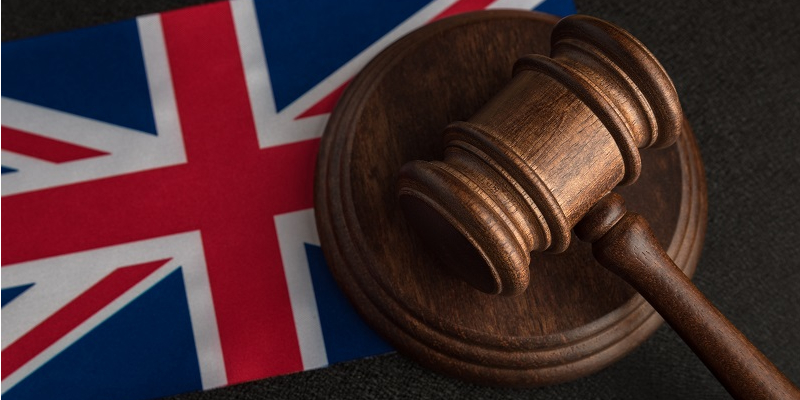
The UK Gambling Commission is the independent body responsible for licensing and supervising gambling operators in Great Britain. Established under the Gambling Act 2005, it covers operators serving players in England, Scotland and Wales.
To operate legally in the UK market, a casino must hold an operating licence. Key staff members must also hold a personal management licence, which places direct responsibility for compliance on them.
The application process involves thorough checks on finances, ownership structure, software integrity and anti-money laundering measures. Operators must demonstrate that they have put in place responsible gambling tools, such as deposit limits, reality checks and systems capable of detecting and managing risky behaviour.
Once approved, UK gambling license requirements are ongoing. Operators must submit regular compliance reports, undergo audits and register with GamStop, the UK’s national self-exclusion programme. Players’ funds must be held separately from the company’s funds, and operators must specify the level of financial protection applied to players’ accounts. The UKGC may revoke licences and impose substantial fines for failure to meet these requirements.
The Role of Spelinspektionen in Sweden’s Gambling Market
Sweden opened its gambling market to private operators in January 2019, following the introduction of a new Gambling Act. Previously, Svenska Spel, a state-owned company, had held a virtual monopoly over most forms of gambling. The reform was designed to regulate unlicensed operators and provide Swedish players with more consistent protection.
All online gambling operators must hold a licence issued by the regulatory authority, the Swedish Gambling Commission (Spelinspektionen), which also investigates complaints and takes enforcement action against licence holders. Applicants must pay an annual fee, demonstrate their financial soundness and prove that their games have been tested and certified by independent testing laboratories. Once operational, they are required to impose mandatory deposit limits and register with Spelpaus, the national self-exclusion register.
Swedish licensing requirements for casinos are generally regarded as among the strictest in Europe. The stated priority is to reduce the harmful effects of gambling, and the rules are designed with this in mind rather than with the aim of expanding the market.
Key Differences Between UK and Swedish Casino Regulations
Both authorities work to protect players, but they achieve this through different rules and structures.
- Bonuses and promotions: Sweden has stricter regulations governing bonuses. Only one bonus per operator and player is permitted, and this must be a welcome bonus. Recurring promotional offers, which are common in the UK, are not permitted.
- Deposit limits: In Sweden, deposit limits are mandatory for all players from the moment they register and cannot be removed. It is possible to increase them, but this change will not take effect immediately. In the UK, tools for setting deposit limits are available and players can set them voluntarily, but they are not mandatory from the outset.
- Advertising regulations: Sweden imposes strict controls on gambling advertising, with rules governing platforms, broadcasting times and permitted content. UK regulations cover similar areas, but have historically allowed for a wider range of promotional activities, including sports sponsorship.
- Management accountability: The UKGC’s personal management licensing system means that named individuals within each operator are directly responsible for regulatory compliance. Sweden requires transparency regarding ownership and background checks, but employs a different accountability structure.
What These Licensing Systems Mean for Player Safety and Trust
In the UK, the protection of players’ funds is structured in several tiers. Casinos are required to inform players of the level of protection applicable to their account, ranging from simple segregation of funds to trust arrangements offering full protection. In the event of the insolvency of a UK-licensed casino, the level of protection in place determines whether players can recover the funds held there.
Sweden takes a different approach to building trust. Rather than focusing primarily on the consequences of an operator’s bankruptcy, the regulatory framework aims to prevent harm associated with normal gambling. Mandatory deposit limits, restricted bonuses and the Spelpaus self-exclusion system, to which all licensed operators are connected, collectively help to reduce problem gambling across the entire legal market.
In both markets, players have access to an independent dispute resolution service when a dispute cannot be resolved directly with the operator. In the UK, services such as IBAS (Independent Betting Adjudication Service) are accredited by the UKGC for this purpose. In Sweden, unresolved disputes may be referred to ARN, the Swedish Consumer Disputes Authority.
A casino licensed by either authority has undergone a thorough review and is subject to ongoing supervision. The differences between the two systems lie in their regulatory priorities. The UK places considerable emphasis on financial transparency and personal responsibility, whilst Sweden has built its regulatory framework around limiting the conditions that lead to gambling-related problems.
RELATED ARTICLES

Wild Wagers: Exploring the Thrills of Animal-themed Slots in the Vibrant Landscape of US Online Casinos

Experience the Thrill of Online Casinos in Canada
Top 10 Biggest Slot Machine Wins Ever

Fancy A Career In The Casino Industry? Here’s Everything You Need To Know

Casino Kingdom Login Bonus Codes: The 2026 Guide & Truth Revealed
Casino Extreme Free Spin Codes 2026: Active No Deposit & Login Bonuses
The safer-gambling tools every online player should know

New Zealand’s staged casino process makes supplier readiness a 2026 priority