



Private Operators Entering Alberta: What Canada's New iGaming Licensing Wave Means for Players and Platforms
.png)
What does a new wave of private operators entering Alberta's online gambling market mean for players and platforms? The most succinct answer is that it is excellent news. For players, it means more choice, greater protection, and a better igaming experience. For reputable platforms, it means a chance to distinguish themselves from any shady or copycat operators and an opportunity to develop the best services for players. All in all, it is a win-win situation.

Who benefits?
However, it is not just the players and platforms who will benefit from the new licensing wave. The province's coffers will also benefit from the move. Online casino and gambling platforms will be required to pay licensing fees and taxes, generating income for the province. As Albertans can already play online casino games on the province-run PlayAlberta website, the trick for the lawmakers and regulators will be to figure out how to bring people over to the new, privately operated sites without cannibalising PlayAlberta's customer base.
All eyes on Ontario
When Ontario set up its regulated gambling market on April 4th, 2022, it simply needed to transfer players from offshore, unregulated sites to those licensed by iGaming Ontario. Within a year, it had emerged as one of North America's largest gaming markets, delivering around $35.6 billion in wagers and around $1.4 billion in gaming revenue. More than 40 operators had made the province home to one of the most competitive markets.
Unsurprisingly, other provinces were keen to monitor Ontario's success and see whether it could serve as a helpful strategy to follow. After all, Canadians love to gamble, with 6 in 10 citizens reporting wagering in the previous 4 weeks. There is a great choice of online sites for players to try out, and it is easy to explore Canadian casino sites featured on onlinecasino.ca. The expert reviewers are able to draw comparisons between sites to establish which ones are best based on solid data and then write reviews that include a dusting of personal judgment.
Added complications
What was relatively easy for Ontario is a more challenging ask for Alberta. Despite having an eager population who just want to get on with playing, the authorities are taking things slowly in an attempt to get things right from launch. Initially, it had been hoped that the market would be operational for Christmas 2024 and then 2025, but the latest estimates are for spring 2026. The original announcement was probably overly ambitious with regard to timing and the complexity of getting things right.
The province has now completed the legal steps to launch its commercial online gambling market, but some details remain to be finalized. A new Alberta igaming Corporation is being launched, and commercial operators are seeking assurance that they will not be regulated by a body that also competes with them. The move by the department responsible for cutting red tape has been broadly welcomed, but the process of bringing the vision into practice has, ironically, become entangled in quite a bit of red tape itself, and a consultation process was launched to ensure that all voices were heard.
Currently in consultation
The consultation inevitably means delays for players and platforms. The first stage of the process involved conversations with Indigenous partners and communities. The authorities say that these will continue in Phase 2 of the engagement process. It is highly likely that Alberta is hoping to avoid what happened in Ontario, when iGaming Ontario found itself in a high-stakes legal case with the Mohawk Council of Kahnawà:ke (MCK). The MCK argued that Ontario's model was illegal because the iGO was delegating the management of online gaming to private operators, which they claimed was contrary to the country's criminal code.
Bottom line, they were obviously trying to protect their own interests. While the case failed, there were lessons from all sides, and the outcome could have been studied to allow Indigenous interests in Alberta to mount a similar case if not handled sensitively. Therefore, there has been a more collaborative approach in Alberta to iron out problems before they arise.
Currently in Phase 2, the Albertan authorities are now developing iGaming regulations, social responsibility support, and standards. In an attempt to head off complaints from local land-based operators, justifiably aggrieved that they are being excluded from their own market, they are looking at opportunities for the bricks-and-mortar casinos to integrate igaming offerings into their product range. As might be expected from the Department of Red Tape Reduction, they are also trying to simplify things and reduce bureaucracy across the whole process. The problem is that online gaming is easy to get wrong, and regulation requires checks and balances and enforcement.
Who will be the winners?
For something which is hopefully happening soon, there is still quite a bit of mystery. There is no official list of applicants or interested parties, but it is likely the market will attract major brands like BetMGM, FanDuel, DraftKings, and PointsBet. There is a good deal of speculation around what license fees will cost and what the tax rates might be. There is also the consideration of the requirement for robust anti-money laundering (AML) systems. It is expected that Alberta will adopt AML standards similar to those of Ontario.
Rather than a race to the finish, operators hoping to get in on the first round of licenses are probably drafting their risk assessments and internal policies in advance, so they are ready to roll out when bidding opens. Gambling is clearly a game of chance, but many operators would prefer things to be a little less uncertain. While the Alberta market is potentially massive and the population of the province is well-to-do, it is unlikely to be on the same scale as Ontario due to the existence of Play Alberta and genuine consumer confusion about whether big-name sites operating offshore are currently regulated or not.
Clear communication is key
Recent polling by Ipsos showed that only one in ten Albertans played exclusively on Play Alberta. While 93% of Albertan gamblers knew that Play Alberta was regulated, on average, 55% of gamblers who used unregulated websites believed they were the platforms they were playing on were regulated.
The biggest challenge facing platforms, players, and the regulator may be effective communication and a clear, comprehensive advertising strategy.
RELATED ARTICLES

Top 9 World’s Toughest Games – The Ultimate Challenge List for Gamers
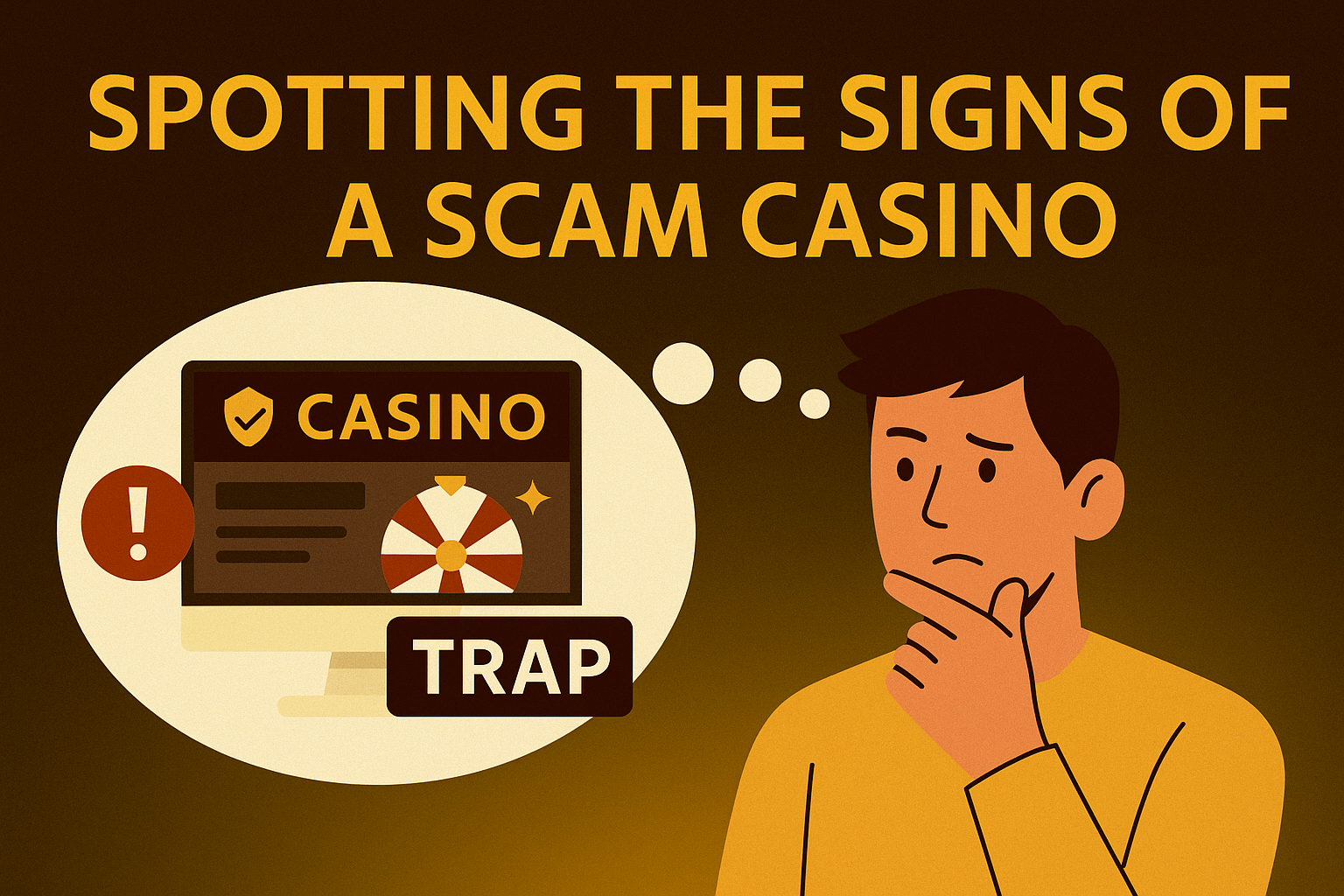
How Scam Casinos Trap You – And How to Spot Them Before They Do

Zimpler Is Potentially Revolutionizing the Igaming Market in Latin America

10 Essential Accessories for Your Poker Table

Ocean Casino Login Guide & How to Claim Your Daily Login Bonus

Sportsbook Software Providers and Platform Strategy in 2026
Ivy Casino Login Guide & How to Claim Your Daily Login Bonus

Vegastars Review: New Zealand Casino Brand Analysis