





Decoding the 2026 Casino Market: How to Identify Transparent Operators and High-Value Bonuses

In 2026, the smartest casino shoppers do not start with the biggest number on the screen. They start with clarity, safety, and proof that an offer works as advertised. That shift matters because a bonus can look generous while hiding a costly replay bill.
Players now pay closer attention to real time RTP displays, visible license checks, and clear bonus terms. RTP means return to player, the long term percentage a game is expected to pay back. In content terms, this matches the E E A T standard, which values experience, expertise, authority, and trust.

Why Clarity Beats Size in 2026
Big Numbers Can Hide Bigger Costs
The old myth said a larger welcome offer always meant better value. The 2026 market tells a different story, because players can compare terms, safety signals, and technical details faster. A bonus still matters, but transparent rules matter more. Large offers often grow because the replay terms are harsh, not because the value is high. In a 2025 example, a £10 bonus with 50x wagering meant £500 of play before any winnings could be withdrawn.
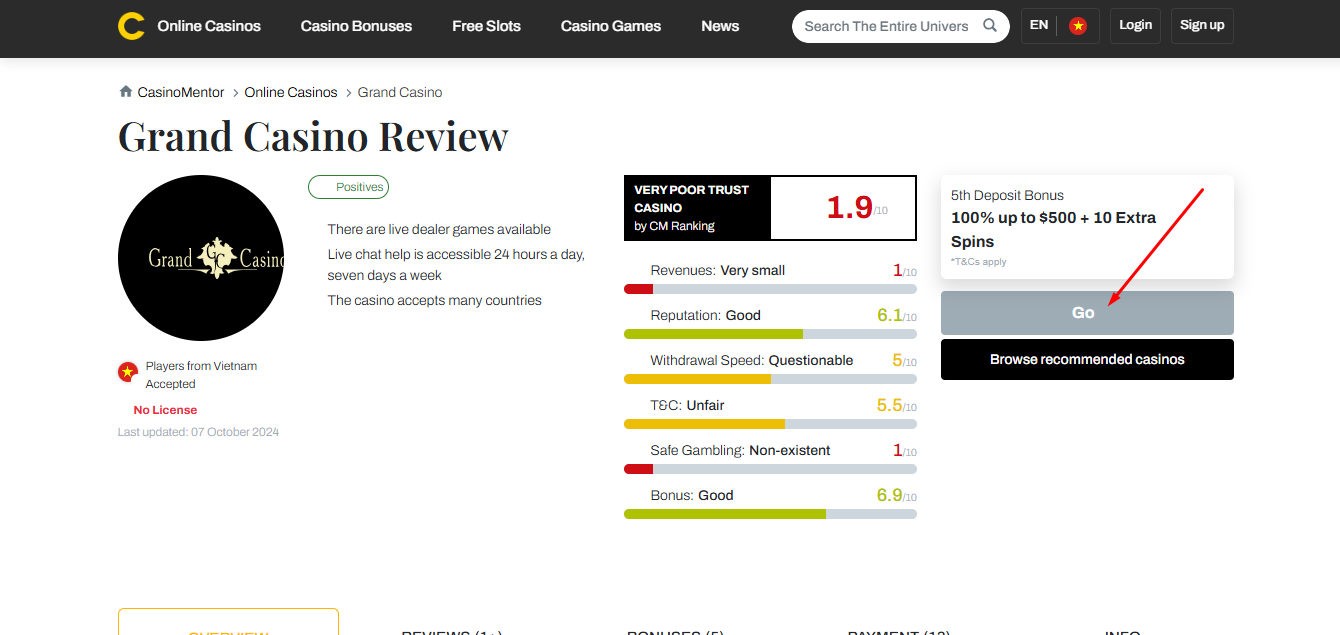
Smart comparison starts before the deposit button. Many readers use independent casino reviews to compare licensing, bonus math, and withdrawal rules before they chase a headline number. That habit turns the offer into a plain English replay bill, not a marketing slogan.
This is why 2026 rules in the UK cap bonus wagering at 10x from January 19. Even that smaller number needs context when game weighting cuts progress. A £100 bonus at 10x looks manageable, yet if roulette counts at 30 percent, each £1 stake adds only 30p toward clearance. Huge offers that expire fast, or demand heavy spending before cash can leave the account, deserve extra caution.
Visible Terms Reveal Real Value
A fair offer does not hide its rules in a long page of fine print. The UK Gambling Commission transparency guidance says significant conditions should appear with the headline offer, and full terms should usually sit one click away. When players need several taps to find the catch, the offer is less transparent than it looks.
Recent rulings show why placement matters. A 2024 ad left out a text reply deadline. A 2025 voucher did not say it was invalid on Cheltenham Gold Cup day, and another case buried excluded payment methods too low on the page. Some U.S. rules also ban false or misleading claims, require affiliate pages to disclose commercial ties, and keep material bonus terms near the headline. That makes it worth comparing the sales language, the review page, and the legal terms side by side.
A quick check can catch most weak offers before any deposit is made. These five red flags deserve attention. Each one points to cost or confusion that deserves closer review.
A required deposit can turn a free offer into a paid one. Own money at risk means the bonus is not truly separate from personal funds. Short time limits can force rushed play and poor decisions. Excluded payment methods can block eligibility after money is already deposited. Terms should be visible from the ad, or at least one click away, not buried lower on the page.
Safety Signals Now Carry More Weight
By 2026, many players care more about technical transparency than raw bonus size. A real time RTP display helps them see a game's expected return before play starts. Instant license verification also matters, because it lets players check the regulator and license number in seconds.
Clear safety signals support trust in a way flashy banners cannot. In content terms, this fits the E E A T standard, because experience, expertise, authority, and trust should be visible. A U.S. lawsuit reported in June 2025 challenged a $2,500 deposit match. Players allegedly had to risk at least $375,000 in seven days before any payout.
That concern sits inside a wider public health backdrop. A February 2025 study in JAMA Internal Medicine found rises in sportsbooks, sports wagers, and online searches about gambling addiction. U.S. rule summaries also say operators should not block withdrawal of a player's own funds or call an offer "risk free" when personal money is exposed. Strong operators make the safety picture easy to check.
RTP is shown before play, not hidden in separate help pages. The regulator name and license number can be checked within seconds. Withdrawal rules clearly separate bonus funds from a player's own money. Safer gambling tools sit in the account area, where players can reach them quickly.
A Smarter Way to Compare Offers
The best 2026 bonus is not always the biggest one. It is the offer that shows the real cost, the real limits, and the real chance of using it as expected. A simple comparison works well: calculate the replay bill, check game weighting, and make sure the key rules are easy to see.
Then look at the wider trust signals, visible RTP, fast license checks, clear withdrawal rules, and honest safety tools. If those pieces are missing, a large headline number means very little. In 2026, clarity is the real bonus.
RELATED ARTICLES

Why Did The Gambling Commission Ban Credit Card Transaction in Gambling?

Best Online Casinos for High Rollers

Push Gaming Enters Spanish Market with New Operator Partnerships
Tarzan Microgaming and Jewels of Opar Slot Go Live!

Ocean Casino Login Guide & How to Claim Your Daily Login Bonus

Sportsbook Software Providers and Platform Strategy in 2026
Ivy Casino Login Guide & How to Claim Your Daily Login Bonus

Vegastars Review: New Zealand Casino Brand Analysis