



Why Millions of Americans Over 40 Have Made Social Casino Games Their Go-To Downtime

Statista found that adults aged 45 to 54 were the largest age group among US casino gaming app players, with 35 to 44-year-olds close behind and just 10% of players younger than 24. The American Gaming Association's 2024 survey also put the average age of past-year US casino visitors at 41.9, down from 49.6 in 2019, which tells us the core audience is still firmly adult even as the category widens.
That helps explain why social casino games feel so familiar to many of us over 40. They sit in the same everyday space as card apps, puzzle games and the short phone-based habits people reach for when they want ten easy minutes to themselves.
Below, we look at who is playing, why mobile social casino games fit so neatly into adult downtime and why the appeal often comes down to enjoyment, routine and light social connection. The evidence comes from Statista, the American Gaming Association, the Entertainment Software Association, peer-reviewed research and university-led studies rather than platform marketing.
Not Exactly a Young Person's Game
One reason this topic rings true is simple: gaming itself is no longer coded as a young person's pastime. The Entertainment Software Association reported in 2023 that 65% of Americans play video games (about 212.6 million weekly players) and its age breakdown showed that 25% of American players are 45 or older.
Put that next to the casino app data and the picture sharpens. If the biggest slice of casino gaming app players is 45 to 54, and the average US casino visitor is just under 42, social casino play starts to look like an ordinary part of adult screen time rather than a niche habit.
There's a cultural reason for that too. People who are now in their forties, fifties and sixties didn't arrive late to digital play; many have been around long enough to see games move from a special activity to a normal one. ESA says the average video game player is 32 and has been playing for 21 years. By the time you reach midlife, a game doesn't need to feel novel to be welcome. It just needs to be easy, familiar and worth a few minutes.
A Pocket-Sized Pause Button
The phone is a big part of the story. Global Growth Insights reports that mobile accounts for over 62% of social casino usage and that around 74% of social casino players prefer mobile access because it is portable and responsive. Mordor Intelligence goes further, saying mobile apps made up 71.85% of the social casino market in 2025, which shows where this habit now lives.
That convenience lines up neatly with how adults over 40 tend to protect their free time. You're often fitting leisure around work, family, chores, messages and the dozens of tiny tasks that fill a day. A social casino game works because it asks so little to get going.
- You can open it in seconds and leave it just as easily, which suits fragmented downtime on a phone-first device.
- The formats are familiar, so there is very little learning curve compared with more demanding games.
- The play window can be short, which makes it feel more like a break than a project.
Research supports the idea of games as a mental breather too. A 2024 peer-reviewed study indexed on PubMed Central examined how games can support cognitive escapism, relaxation and wellbeing during difficult life experiences, giving real weight to the idea that a brief play session can serve as a reset rather than just filler.
Honestly, that rings true. By midlife, convenience has its own appeal.
More Than Reels, More Like Ritual
What keeps people coming back goes beyond the game loop. A UMass study on senior casino gaming developed a five-part motivation model made up of winning and thrill, escape, socializing, enjoyment and curiosity. In that same study, enjoyment recorded the highest mean score at 5.19, ahead of the other motivation dimensions; a useful reminder that pleasure and recreation sit near the center of this behavior.
The methodology gives that finding some weight. The UMass researchers collected 681 complete surveys from US adults aged 65 and older and used exploratory and confirmatory factor analysis to test the structure of those motivations. That does not mean every over-40 player has the same reason for opening a game, but it does support a broad, positive reading of the category as a leisure habit.
The social side deserves attention too, even when the play itself is solo. Texas A&M researchers studying an online gaming community found that people who reported more social support online, and those with less real-life support, were more likely to reach out to other members over time. They also found that a stronger sense of community made communication ties more likely to form, which suggests that digital play can carry a gentle layer of belonging many adults appreciate.
That's why the habit can feel bigger than the app. When a game gives you a dependable pocket of enjoyment and a light sense of company, what are you really returning to each evening: the mechanics, or the ritual around them?
The New Shape of Everyday Downtime
Taken together, the research points to a positive and very coherent idea. Social casino games have found a home with Americans over 40 because this audience is already comfortable with digital play, already living on mobile devices and often looking for leisure that feels light, familiar and easy to rejoin.
The market is still growing, with Mordor Intelligence valuing the global social casino sector at $9.06 billion in 2026 and Cognitive Market Research placing North America at 36.3% of the worldwide share in 2025. That growth reflects staying power in a form of entertainment that fits modern adult routines unusually well.
For readers over 40, that's the useful takeaway. There's nothing puzzling about this habit once you see it for what it is: a simple, accessible way to switch gears, enjoy a familiar game and carve out a few lighter minutes in the day. And if a pastime does that reliably, why wouldn't it earn a regular place on your phone?
RELATED ARTICLES

5 Best Arcades in Las Vegas: Top Spots for Gaming Fun

The Importance of a Diversified Game Portfolio in a Successful Online Casino

Why SpinBet is the best destination for online pokies in NZ

Best Online Casinos for Players in Quebec: Top Picks and Practical Bonuses

Sportsbook Software Providers and Platform Strategy in 2026
Ivy Casino Login Guide & How to Claim Your Daily Login Bonus

Vegastars Review: New Zealand Casino Brand Analysis
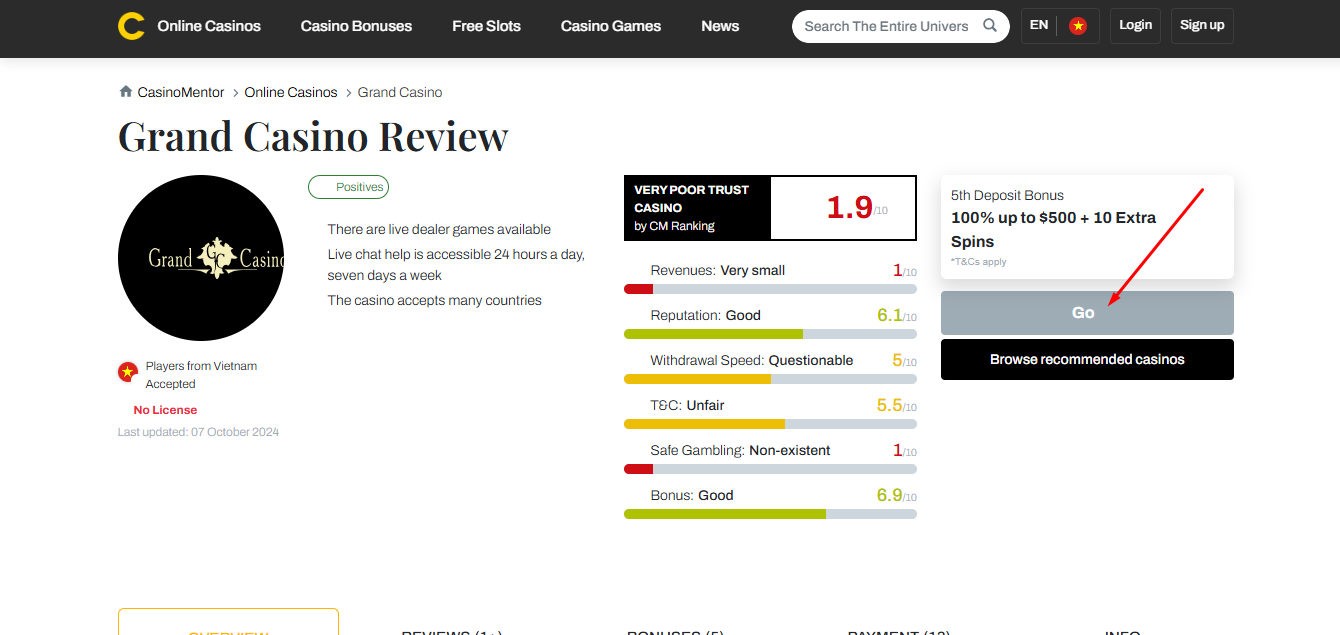
Grand Casino Login Guide & How to Claim Your Daily Login Bonus