



Table Games 101 Before You Sit Down at an Online Casino

When you sit at a table, everything feels louder. Chips click like tiny castanets. Cards slide with theatre kid confidence. Even online, that same energy comes through in the rhythm of bets and reveals, a bit like a Super Bowl coin toss where everyone swears they’re relaxed while leaning in anyway.
Table games look fancy, yet most run on a few simple rules and a short list of choices. Once you know what the dealer must do, what you control, and what the house earns in the long run, the whole thing turns into a clean little puzzle instead of a mystery with velvet ropes.
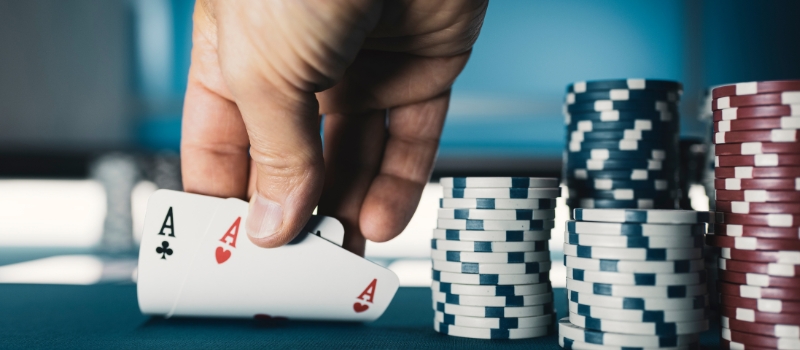
Online casinos often bundle the full range of table classics in one lobby, which makes the “what should I try” moment feel like picking a game mode. That’s where Pelifantti_Casino pops up in chats, because its own site pitches a Pay N Play style setup that uses bank verification via Zimpler so you can move from arrival to a first hand fast, with withdrawals routed through the same banking connection. It also presents a mixed table menu that spans familiar digital staples like blackjack and roulette plus live-style tables such as roulette and baccarat, so you can choose between quick solo rounds and a more “at the table” pace.
How the house edge works
Every table game hides a small built in advantage for the house. That edge does not predict what happens in a short session, though it does describe the long run maths if play continues. For example, single zero roulette carries a 2.70% house edge across bets, which is why that wheel format usually gets framed as the more player friendly version.
Some card games land closer to “tight” by default. Baccarat’s Banker bet shows a 1.06% house edge in standard multi deck analysis, while the Tie bet sits in a totally different universe at 14.36% because the payout seldom matches the true chance. Craps also has friendly core bets, with the Pass line at 1.41%, and the Odds part paying at fair odds once a point appears.
That’s the headline: rules determine value. Tiny changes like payout ratios, deck count, or side bet pricing can move expected cost. Treat house edge like a price tag for entertainment, then pick games where that price matches your mood and budget.
Blackjack, your one real decision game
Blackjack feels popular because it hands you agency. You make choices, the dealer follows fixed rules, and the outcome depends on both the draw and the decisions. Basic strategy is just a decision map based on your total and the dealer’s up card, and it can push expected loss down toward very small numbers under common rulesets.
Rules matter more than vibes. A 3:2 payout on a natural blackjack beats a 6:5 version, and that single detail can shift the cost of play. Deck count matters too, with a sizeable edge swing between single deck and eight deck setups.
Video games helped a lot of people learn blackjack without even trying. Fallout: New Vegas drops you into tables as a side activity, and suddenly “hit or stand” becomes a familiar loop instead of a scary decision. That background can help you sit down with steadier expectations, because you already know each hand resolves fast and the next one starts fresh.
Roulette and baccarat, pick your pace
Roulette is pure anticipation. You place a bet, the wheel spins, and a single result settles everything. If you see a single zero wheel, you’re looking at that 2.70% house edge setup, and the inside versus outside bets mostly change volatility, meaning how swingy results feel, rather than changing the long run price.
The practical move is choosing stakes that let you stay comfortable through variance. Small inside bets can pay big, though they miss often. Even money bets hit more, though they still lose slightly more often than they win because of the zero. When you treat roulette as a pacing tool, you can match it to your attention span instead of chasing a narrative.
Baccarat sits at the other end of the effort scale. You pick Player, Banker, or Tie, then the dealing rules run on rails. That simplicity explains why pop culture leans on it for cinematic tension, like Casino Royale using baccarat as a sleek stand in for high stakes composure. The numbers still matter more than the tux, with Banker at 1.06% and Tie far higher.
Craps without the shouting
Craps looks chaotic because the table layout screams at you in rectangles and slang. Underneath, the core game stays simple. A Pass line bet starts the action, and once a point appears, the goal becomes “point before seven.”
The secret sauce is Odds. After the point, an Odds bet pays at true odds, which means zero house edge on that portion. Many players use Pass plus Odds as the backbone, then ignore the wild side bets that tempt with big payouts and pricey edges.
Craps also rewards calm pacing. One roll affects many bets, so the table can feel like a group event even online. If you like communal momentum, you may love it. If you prefer quiet control, you may treat it as an occasional novelty rather than a default.
Seat check before chips land
A first session goes best when you decide your rules before the first card flips. That prep does not need a spreadsheet. It needs a few small choices that protect your budget and keep the experience fun, even when variance gets spicy.
- Pick one game for the session, then learn only its core bet first.
- Check payout rules, especially blackjack payouts and roulette wheel type.
- Set a fixed spend limit that fits entertainment, then treat it like a ticket cost.
- Choose stakes that let you play longer than ten minutes, so variance has room to breathe.
- Skip side bets until you can explain their odds in plain language.
Once you have that baseline, table games become less about bravado and more about choosing your flavour of suspense. Cards suit people who enjoy small decisions. Wheels suit people who enjoy rhythm and reveal. Dice suit people who enjoy a bit of chaos with a mathematical backbone.
RELATED ARTICLES
What Does RTP Mean in Online Slots? Here’s What It Really Means and How It Affects Gameplay

A broader view on responsible gaming: How non-CRUKS casinos are adapting to Dutch players
7 Reasons Why You Shouldn’t Split Face Cards in Blackjack

Online Gaming, Real Risk: Why Security Matters Now More Than Ever

Ocean Casino Login Guide & How to Claim Your Daily Login Bonus

Sportsbook Software Providers and Platform Strategy in 2026
Ivy Casino Login Guide & How to Claim Your Daily Login Bonus

Vegastars Review: New Zealand Casino Brand Analysis