


How Prediction Markets Are Changing the US Gambling Landscape

An interview with industry expert Ian Zerafa
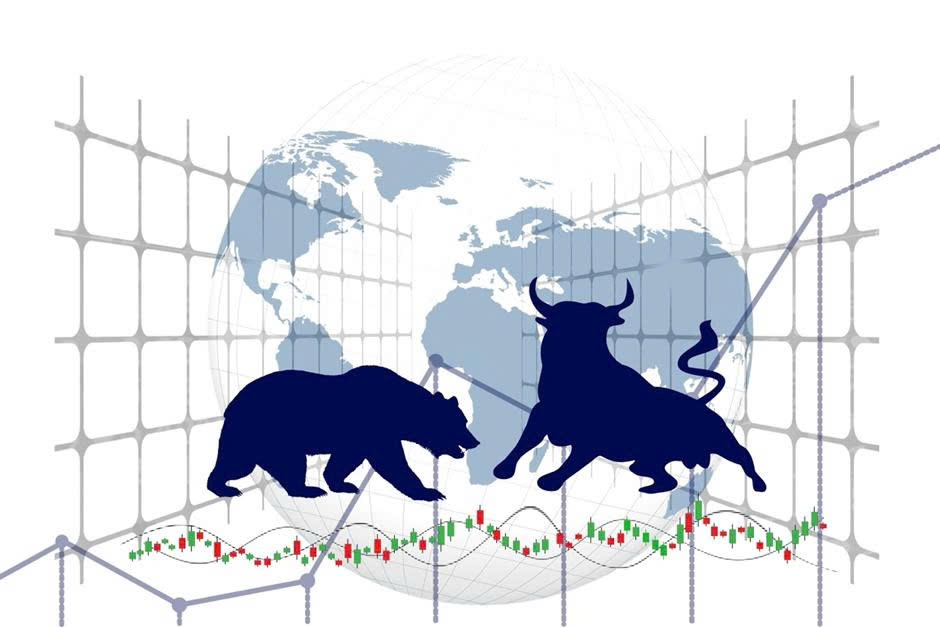
Image by Gerd Altmann from Pixabay
If you are not aware of the excitement surrounding prediction markets in the US, you might have been sleeping under a rock for the past few months. These new(ish) trading sites have totally changed the gambling landscape in the country, despite not being gambling sites at all. Regulated at the federal level by the CFTC, they are causing concern in the sports book industry. Forbes reported that they have already knocked state tax revenues by over $500 million.
Prediction market operators like Kalshi and Polymarket have been accused of offering products similar to sportsbooks, but with fewer regulatory requirements regarding taxation and user safety. In addition, conservative states like Utah that do not allow gambling are left virtually powerless to act against after Kalshi sued the state over its proposed prop betting ban. Utah's Gov has vowed to use every resource within his disposal to beat them in court, but the odds are not looking good.
We wanted to better understand prediction markets and how the gambling review industry views them. We had a conversation with Casino.org's Content Manager Ian Zerefa about their impact and how they are changing the US gambling landscape. Casino.org is a world leader in gambling reviews, with a mission to stack the odds in readers' favor by providing expert-backed advice and keeping players one step ahead. Ian leads the US team and knows how to fact-find thanks to his journalistic background and not one but two master's degrees!
Welcome Ian. First things first are prediction markets, gambling, and what makes them legal?
There is no doubt that many people are confused. To all intents and purposes, they bear a very close resemblance to gambling in that they allow US citizens to 'back' a hunch with a real money trade. However, it is a trade, not a bet, and that is what makes it legal. Predictions are financial derivatives. The trader is not 'betting against the house' but trading their view with someone else who has the opposite view.
Predictions can only be made about real-world events with a binary outcome – YES or NO. There are no gray areas in the trading opportunities (although there are still debates going on about the legality). Kalshi is one of the few regulated prediction markets in the US, and it is the one making the most headlines!
So, if they are not gambling, why are the gambling review sites taking an interest in them?
While they are not classified as gambling, they do have a lot of similarities. At Casino.org, we aim to inform and educate readers about the best platforms in their state. As prediction markets operate in the same space as traditional gambling sites, it would be remiss of us not to monitor them. Some are better for crypto payments or sports-focused trading, while others offer broader market access.
What are the similarities other than being able to 'wager' on a future event?
One of the big reasons we are keeping an eye on them and making recommendations is that they use similar recruitment techniques to traditional sports betting and iGaming sites. It is an incredibly busy and noisy market, and it can be hard for players to work out which site has the best offers and what is available where they live.
Traditionally, online casinos and sportsbooks have offered generous sign-up offers and welcome bonuses. We have noticed that the likes of Kalshi are now using similar mechanics and want to make sure our readers can understand the offers and get the best ones. Right now, we have an exclusive Kalshi bonus code that lets users claim a $10 sign-up bonus after a $1 deposit and $100 in trade. It's a solid sign-up bonus, and the $100 trading requirement is manageable if users stick to liquid markets and avoid overcomplicating the process.
How do event contracts work?
Most contracts trade between $0 and $1, and their prices reflect the market's view of the likelihood of the outcome. If a YES contract is trading at $0.6, the market is pricing the event as having a 60% chance of occurring. If traders predict the outcome correctly, they get $1 back for every $ 0.60 they spend. The odds are set by the market and not by the bookie.
What traders need to watch out for is that prices can move very quickly, since they are driven by supply and demand rather than fixed odds. In addition, there are fees to be paid – as ever, there is no such thing as a free lunch, and the platforms have to make a profit. Traditional gambling does this through the house edge; prediction market apps do so through fees.
So, are they the same but different?
Essentially, I think that is the best way to describe prediction markets. They operate in the same space but in a different manner. Prices move up and down according to the orders placed by the buyers and sellers. Unlike traditional sports books, you can also trade out of the market before the event settles.
Sports books and prediction markets have tons of sports betting options, but prediction markets tend to focus on big, high-profile events. They also offer contracts on topics such as politics, economics, and cultural events.
Are prediction apps available everywhere?
In theory, they are, but since it is all very new and uncertain, some states are blocking the apps, while others are challenging them in court. It is another reason why we are trying to guide readers through the challenges.
Kalshi is federally regulated in the United States by the CFTC as a designated contract market. The CFTC provides oversight to ensure fair, transparent, and safe trading for all users. However, it is noticeable that customer service does not match what is available on regulated iGaming and sports betting sites.
So, which is better for bettors?
It does depend on what someone is looking for. Undoubtedly, for those living in states without legal online gambling, prediction market apps are a great asset. However, they are much lighter in weight than their gambling counterparts and do not offer the same in entertainment value. They have a more 'business-like' feel.
If you live in a state that allows online gambling, unless you want to bet on a particular event that is not available elsewhere, you might find them less entertaining than what you become accustomed to. It really is horses for courses, but fees, spreads, and liquidity can affect potential returns.
Thank you, Ian, for your wise words!
RELATED ARTICLES

Finnish Blackjack Secrets with Ville Nieminen
US online gambling keeps breaking records as the industry pushes toward a new era

Are Online Casinos Halting Vegas Visitor Numbers?

Wazdan Partners with FanDuel in Michigan and Ontario

Casino Kingdom Login Bonus Codes: The 2026 Guide & Truth Revealed
Casino Extreme Free Spin Codes 2026: Active No Deposit & Login Bonuses
The safer-gambling tools every online player should know

New Zealand’s staged casino process makes supplier readiness a 2026 priority