






Are Online Casinos Halting Vegas Visitor Numbers?
.png)
Visitor numbers to Las Vegas are falling. While the finger may be pointed at online casinos taking their business, Las Vegas' high pricing may be the real reason.
When was the last time you paid $40 for two coffees and a croissant? If you have, the chances are you recently visited Las Vegas. Visitor numbers have fallen by 8% year on year, even higher in some months. An easy assumption to make is that online offerings are stealing footfall. Yet it is this sky-high pricing that is keeping tourists away from the city.

The Advantages of Online Casinos
To ignore the advantages online casinos have over Vegas completely is futile. In many ways, they can replicate, or even better them. Take one of the biggest advantages of going to an actual casino: The social aspect. It is something lost when you play through a mobile device. Games are often conducted against a digital representation, with few interactions other than the commands you input to make bets and decisions.
Online casinos have adapted to this by introducing live dealer games. Using streaming technology, they connect you to a croupier in a studio. This person then deals cards and spins roulette wheels as they would in a casino hall. Major providers have integrated them into their apps, which allows seamless connections and video. Providing both online casino games and sportsbetting facilities under one umbrella, this is a formula that has spread across the globe.
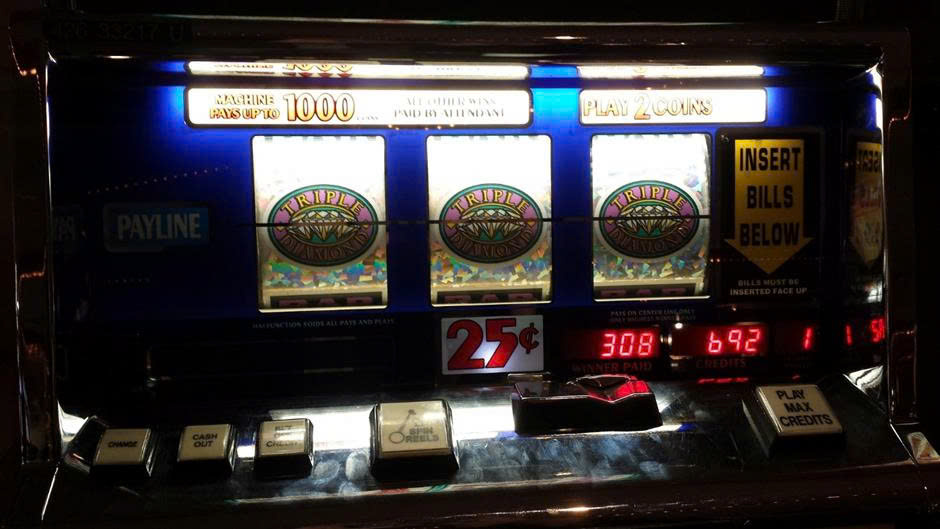
When it comes to the humble slot game, online titles can also offer so much more. There is something very tactile about playing on an old machine, with its flashing symbols, clanking reels, and mechanisms. Yet these are very expensive to replace, meaning ones on casino floors in Vegas are often ageing and unable to compete with modern digital mechanics.
The answer to this has been to install digital-style touchscreen games in many casinos, which provide well-known franchises like Big Bass Fishin and Book of Dead. The big question is why, when you can just as easily play these tiles on a smartphone or tablet?
Envisioning a Las Vegas of the Future
This decline is a worry for those who have businesses in Las Vegas. While casinos can gain money from online revenue, others have a harder time doing so. Hotels, restaurants, shops, and local travel companies rely on this tourism to stay afloat.
There are factors outside the gambling sector that are having an impact on Vegas. The nationality of visitors coming to the city is changing. In July, visits from Canada dropped by 18%. However, visitors from Australia, the United Kingdom, and Mexico have all increased.
By no means is gambling the only profit driver in Las Vegas, either, and it is in fact considerably less than you may think. It is a city that grew big off the back of its neon signs and promise of big wins, but Vegas has so much more to its economy. Gambling only makes up a quarter of the revenue in the state. Its non-casino-related revenue is 75% of the economy.
Conventions and business travel have long been a big boost for the Vegas economy. They have kept it going midweek by filling restaurants and hotel rooms while leisure tourists are away. Attendance for conventions reached 6.6 million in 2019, which was the highest number ever. Since then, figures have dropped, though Vegas is trying hard to bring them back. This year, its figures reached 5.99 million, close but not quite to previous levels.
New Ways to Attract Visitors
Vegas has tried to attract people in other ways. It has stepped up its provision for live events, with everything from music to theatre attracting visitors. In some ways, this is working. A perfect example is The Sphere. Built in 2023, it is a spherical immersive concert venue worth $2.3 billion. Since its build, it has reported losses until this year, when it recorded a profit of $151.8 million for the second quarter.
If Vegas is to survive, attractions like The Sphere hold plenty of promise. It may be that casinos need more immersive, unique experiences, combined with them in a similar vein to this. If they can use this to survive and boost local businesses with renewed footfall, it could signal a new era for Las Vegas.
Las Vegas is losing visitors, though the blame can not solely be placed upon the emergence and popularity of online casinos. Personal spending and economic conditions are having an impact, as is a declining need for people to visit Vegas in sectors other than the casino industry. Gambling customers are going online, but the same is happening in other areas, such as business communication.
Online casinos are only part of the issue. If anything, they allow people a way to practice and learn at home, breaking down the barriers to physical locations. In fact, it seems Vegas’s issues are much deeper, and a big change is needed if it is to regain its position in the coming years as a wallet-friendly tourist destination.
RELATED ARTICLES

Microgaming Announces New Partnership with Aurum Signature Studios

A wave of new gambling regulation in the Nordics — Finland and also Norway could be joining

The Future of iGaming: 7 Trends That Will Redefine Online Casinos in 2026
.png)
Play Casino Login Guide & How to Claim Your Daily Login Bonus

Casino Kingdom Login Bonus Codes: The 2026 Guide & Truth Revealed

Casino Extreme Free Spin Codes 2026: Active No Deposit & Login Bonuses
The safer-gambling tools every online player should know

New Zealand’s staged casino process makes supplier readiness a 2026 priority