






How Roulette Wheel Bias Became a Casino Legend

Roulette looks orderly because every pocket has a number and every number has a place. The wheel turns, the ball drops, and the table accepts the result without argument. That sense of order gave the game its lasting appeal. It also created one of casino gambling’s best old stories: the belief that a flawed wheel could favour certain numbers if a patient player watched long enough.
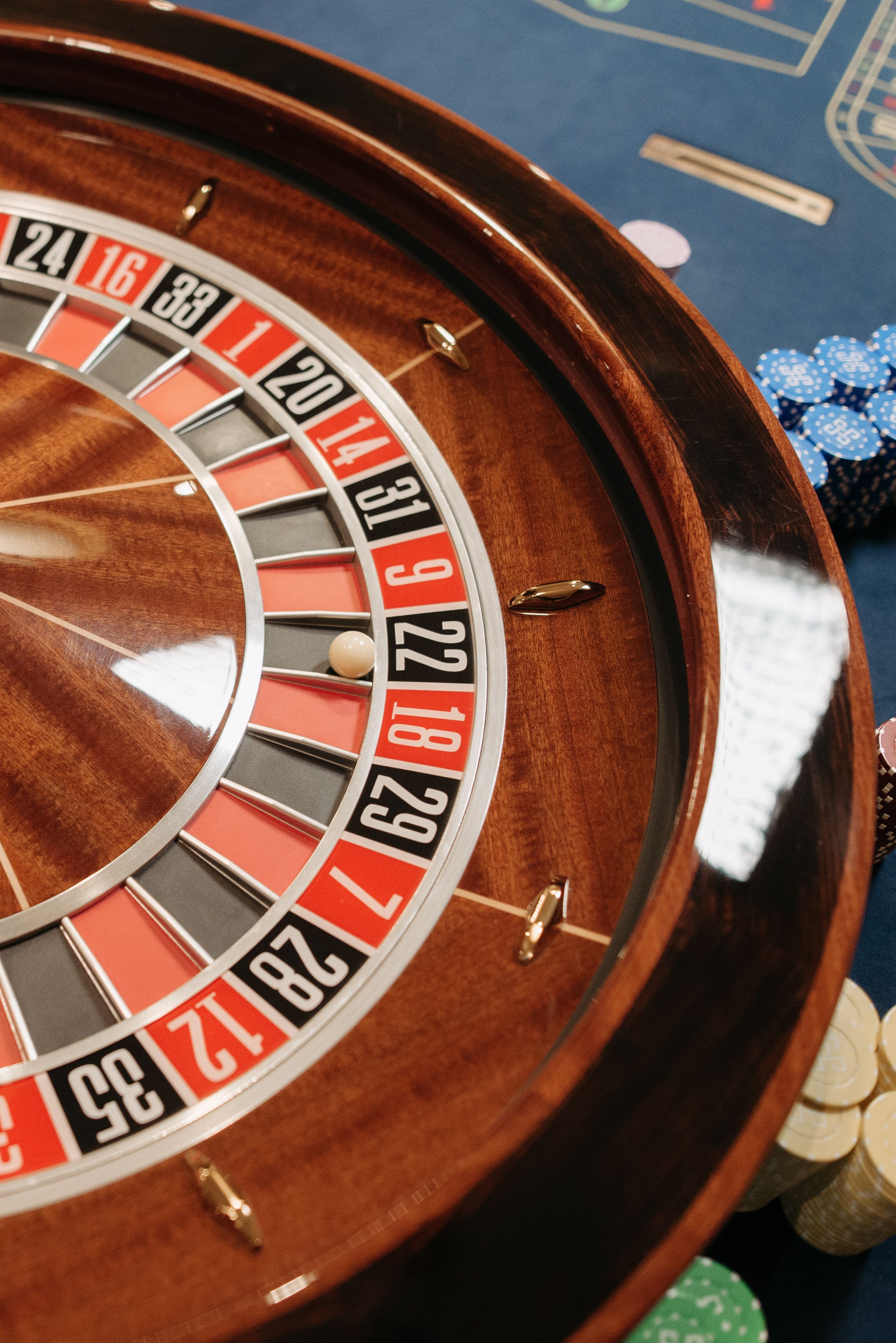
That belief had a physical basis. A wheel can wear down, tilt, loosen, or develop small differences around its pockets. A biased wheel means some numbers, or some sections, appear more often than chance would suggest. The idea sounds grand until the work begins. A player has to record many spins, find a pattern, and decide whether the pattern comes from a real defect rather than ordinary randomness. The notebook does most of the heroics.
Modern comparison sites have made the casino choice more methodical than the old days of watching one wheel under chandeliers. They review licences, payment records, game fairness, roulette choices, complaints, and bonus terms before a player joins. Casino Guru’s review pages and Safety Index guide give online casinos a score based on factors such as fairness, safety, and player feedback. That helps roulette fans compare platforms by evidence rather than by a large welcome banner and a hopeful mood.
The Man Who Made the Story Famous
Joseph Jagger gave wheel bias its most famous early chapter. In the 1880s, the Yorkshire textile worker went to Monte Carlo and studied roulette wheels for repeated results. Accounts of his life say he looked for mechanical flaws, then backed the numbers that appeared too often. Historian Anne Fletcher, a descendant of Jagger, has written about the difficulty of separating family memory from records, but the story remains tied to his reputation as a man who “broke the bank” at Monte Carlo in the old casino phrase.
Jagger’s method stood apart from betting systems such as Martingale. He did not claim that doubling a stake could defeat the game. He looked for a faulty object. That distinction matters. A betting system changes stake size after wins or losses. Wheel bias changes the estimated chance of the ball landing in one part of the wheel. One belongs to accounting. The other belongs to mechanics, and mechanics can, on rare occasions, be untidy.
The odds show why the story caught fire. European roulette has 37 pockets, including one zero, which gives the house a 2.70 percent edge on standard bets. American roulette has 38 pockets because it adds double zero, raising the edge to 5.26 percent. Those figures come from the wheel layout and payout rules. A real bias would have to overcome that built-in edge before a player gained any advantage.
From Notebooks to Wearable Computers
The legend grew again in the twentieth century because smart people kept testing the physics. Edward Thorp, who later became famous for blackjack analysis, wrote that he and Claude Shannon built a wearable computer at MIT in 1960 and 1961 to predict roulette outcomes. Thorp’s paper, The Invention of the First Wearable Computer, says the device used timing data to estimate the likely region where the ball would land. The experiment belonged to physics as much as gambling.
That project did not prove that every wheel could be beaten. It showed that a physical game can leak information before the result appears. A dealer releases the ball. The rotor moves. The ball slows. If a player measures those events well enough, the final pocket may become less random than it looks. Casinos learned the same lesson and adjusted procedures, wheel design, and betting cut-off timing. They had rather a strong interest in doing so.
Richard Jarecki added another chapter in the 1960s and 1970s. His obituary in The New York Times described how he tracked wheel results across European casinos and won more than $1 million by exploiting mechanical patterns. He presented the work as computer science, but accounts of the method point back to observation and record-keeping. The romance fades a little when the winning secret turns out to be paperwork, though the money remained quite real.
Why the Legend Survived Modern Casinos
Wheel bias survived in casino culture because it offers a rare kind of gambling tale. It does not say luck can be controlled. It says a real fault can create an opening if someone has patience, skill, and a tolerance for dull evenings. That makes it more credible than most systems sold to new players. It also makes it less useful for almost everyone, which has never stopped a legend from being retold.
Modern casinos have changed the conditions that once helped bias players. Wheel manufacturers use tighter engineering, and casinos can monitor results with software rather than one manager glancing over a pit. Staff can rotate wheels, replace parts, inspect balls, and close betting sooner when needed. Research still shows that physical factors can affect outcomes. A 2012 study in Chaos found that even a slight table slant can create exploitable bias in roulette under controlled analysis, according to PubMed’s summary.
The same caution applies across casino games. In blackjack, a skilled player can gain an edge against other people because opponents make decisions. In roulette, the player faces the wheel, the layout, and the payout table. That difference explains why bias stories feel so attractive. They move the game from pure chance toward detection. They make the player feel less like a tourist and more like a mechanic with chips.
RELATED ARTICLES
American Blackjack Guide: Rules and Tips to Win

Blackjack Ace Rules: Simple Guide to Using the Ace in Blackjack

Perfect Pair Blackjack: A Complete Guide to Rules & Tips

What Is 5-Card Charlie? Defination & Strategies

1Win Casino Login Guide & How to Claim Your Daily Login Bonus

Ocean Casino Login Guide & How to Claim Your Daily Login Bonus

Sportsbook Software Providers and Platform Strategy in 2026

Ivy Casino Login Guide & How to Claim Your Daily Login Bonus