






Why Traditional Casino Games Still Hold Their Place in Europe's Digital Gambling Market

Online casinos have changed considerably over the past decade, but the games at the center of the industry remain familiar. Roulette, blackjack and baccarat continue to occupy prominent positions alongside thousands of modern slots and newer interactive formats. Their continued presence is not simply a matter of tradition.
Across Europe, operators have adapted established casino games to suit mobile devices, live streaming and different national preferences. The United Kingdom has developed a substantial market for digital table games, while other European markets show different patterns of demand.
Traditional Games Have Adapted to Different European Markets
Traditional casino games continue to hold a strong position in Europe's digital gambling market because operators have modernized familiar formats rather than replacing them. Roulette, blackjack and baccarat now appear in several versions, from automated tables to live dealer streams. Their basic rules remain familiar, while presentation, betting options and session formats have changed to suit online audiences.
These adjustments differ between countries. In the United Kingdom, roulette and blackjack are established parts of online casino catalogs, with live tables and faster digital versions available alongside traditional formats. Dutch players encounter many of the same games, although the range of available versions can differ considerably between platforms.
The Netherlands presents a particularly interesting case because more versatile international casino sites have gained attention. Many fall under the online gokken zonder Cruks category, offering familiar table games alongside broader selections of live formats and faster digital variations. This gives players access to different interpretations of established games while preserving the rules that made them recognizable.

The United Kingdom Shows the Commercial Strength of Classic Games
The United Kingdom provides one of Europe's clearest examples of traditional casino games retaining substantial commercial value. The remote gambling market has grown into a multibillion-pound industry, with slots accounting for the largest share of online casino revenue. However, roulette and blackjack continue to generate considerable spending despite competing with newer digital products.
Industry figures place the wider remote gambling market at approximately £8.3 billion, including around £4.8 billion associated with slots. Roulette has generated approximately £395 million in gross gambling yield, while blackjack has contributed around £224 million. These figures illustrate the commercial scale of traditional table games within a market dominated by slots.
Their position also reflects how operators organize their platforms. Roulette and blackjack commonly appear in dedicated sections rather than being grouped with newer casino products. Automated versions support shorter sessions, while live dealer tables reproduce the pace and structure of physical casino play. Both approaches help established games remain relevant to different audiences.
Live Dealer Technology Has Changed How Traditional Games Are Presented
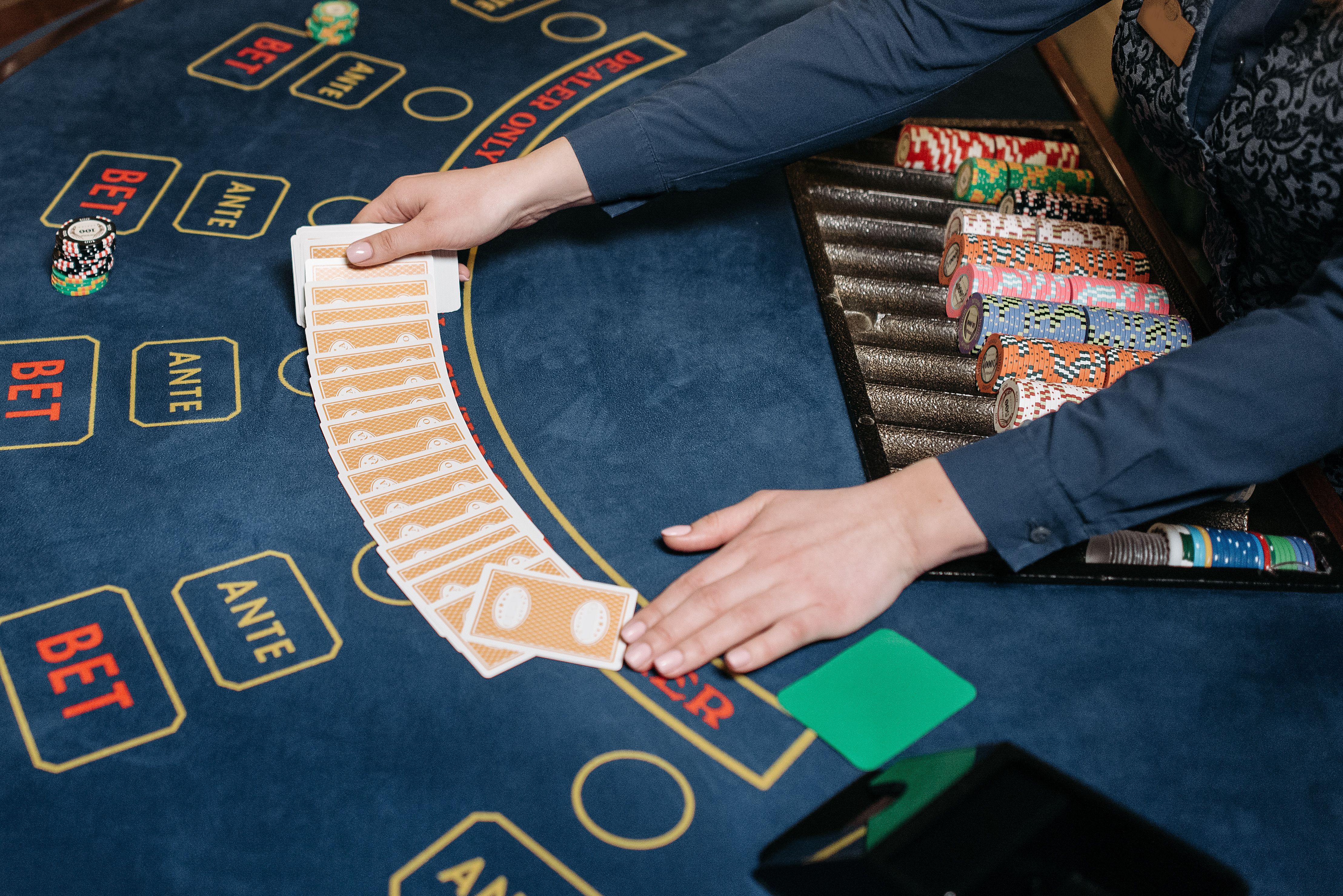
Early online casinos relied on computer-generated tables and automated results. Although these versions reproduced the rules of physical casino games, they lacked the interaction associated with a real dealer. Live streaming changed that arrangement by connecting online players to professionally operated studios where roulette wheels, blackjack tables, and baccarat games are managed in real time.
European suppliers have expanded these productions considerably. Studios now use multiple camera angles, dedicated presenters and interfaces that display betting information alongside the broadcast. Some tables feature native-speaking dealers, allowing operators to offer sessions suited to different European audiences.
Live casino games have also developed beyond straightforward recreations of physical tables. Certain roulette variations introduce multipliers, while blackjack formats accommodate larger numbers of participants through alternative betting structures. These modifications give established games new commercial possibilities without abandoning their original mechanics.
The result is a category that combines familiar rules with production methods borrowed from television broadcasting, helping traditional games compete with newer casino formats.
European Markets Show Different Preferences for Established Games
Casino preferences are not uniform across Europe. The United Kingdom has a substantial online market for slots and table games, while Germany has historically maintained strong demand for lotteries and automated gambling products. These differences reflect established consumer habits, local gambling traditions and the types of products that have developed within each market.
In Germany, lotteries account for a considerable portion of gambling activity, while virtual slots remain a recognizable part of the online sector. Traditional table games have a different market presence, particularly compared with the extensive roulette and blackjack selections commonly associated with British casino platforms.
Other European countries demonstrate how physical gambling traditions can influence digital preferences. Roulette has longstanding associations with French casinos, while baccarat has maintained a presence in established European gaming venues.
Online platforms have carried these games into new settings without requiring identical product selections across countries. Their continued relevance comes partly from this flexibility: the same underlying game can support different presentation styles, betting structures, and playing habits across European markets.
Traditional Casino Games Support a Broader Range of Online Products
Traditional casino games remain commercially important because they give European operators more ways to generate revenue from existing customers. This is particularly relevant for platforms combining sports betting, slots, and live casino products, where activity is spread across several categories rather than concentrated in one.
Roulette, blackjack, and baccarat contribute to this model in different ways:
- Cross-product activity: Sports betting customers can access casino tables between matches or during breaks in live events, allowing operators to generate activity across different products.
- Different session lengths: Automated roulette and blackjack accommodate shorter sessions, while live dealer tables generally follow a slower pace determined by the dealer and other participants.
- Multiple game variations: Classic roulette now includes multiplier versions, while blackjack is available in several table configurations with different betting limits.
- Studio-based formats: Live casino suppliers have expanded their productions to include game shows, using presenters, interactive rounds, and additional mechanics alongside traditional tables.
For operators, the commercial advantage comes from offering several versions of games that customers already understand. Rather than relying exclusively on new releases, they can expand their catalogs around established formats with proven demand.
RELATED ARTICLES

How New Slot Sites Are Redefining the iGaming Experience
The online casino boom has turned casino into a couch activity
Chumba Casino Login Guide & How to Claim Your Daily Login Bonus

Casino Free Spins No Verification: What You Need to Know

A Player Is Ruled Out. The Price Moves. What Actually Changed?

From The Price Is Right to Crypto Casinos: How Plinko Became the Most Searched Casino Game in the Americas

Deposit $1 Get 100 Free Spins in the US: What to Know

Deposit 1 Dollar Get Free Spins: How the Offers Work
