




Why PayPal Is Only Available at Licensed Casinos | 2026 Guide

PayPal is one of the most popular payment methods at online casinos worldwide – and its selectivity is a big part of why. Players trust it precisely because it isn't available everywhere. Its presence shows that an operator has passed a strict compliance filter and meets standards a global payment brand is willing to stand behind. That reputation is no accident and should be preserved.
How PayPal Decides Which Casinos Get Access
Payment providers, including PayPal, consider gambling to be a high-risk merchant sector. The reasons are well known and include high fraud exposure, disputed transactions, money laundering risk, and sanctions complexity. Player protection is another major factor.
That's why players searching for casinos that accept PayPal would quickly notice that the option is available only on regulated platforms with proper licensing. Such sites follow identity verification rules, safer gambling policies, and secure payment handling procedures. This minimises and potentially eliminates most risks.
So what does it actually take for a casino to get PayPal on board? Approval decisions for an operator to feature the payment method are typically based on:
- Whether the operator is legally permitted to offer gambling in that market
- Whether the merchant can satisfy the ongoing monitoring requirements
- Whether transaction flows can be effectively controlled by the jurisdiction
- Whether the operator's compliance record matches PayPal's risk appetite
Licensing is a Must
Under PayPal's Acceptable Use Policy, gambling-related activity is only permitted for approved merchants operating lawfully. This starts with licensing. Unlicensed and unregulated platforms are dismissed from the outset and have virtually zero chance of working with the payment provider.
A valid licence from an official gambling authority, such as the UK Gambling Commission (UKGC) or the Malta Gaming Authority (MGA), meets PayPal's basic legal and safety requirements. And while licensing is necessary for a casino even to be considered by the provider, it's far from sufficient.
Player Protection Always at the Forefront
The main driver behind PayPal's strict requirements for its online casino partners is player protection. The brand wants to make sure, as much as possible, that the platforms it works with are safe and reliable. This is where ongoing monitoring requirements come into play.
UKGC-licensed casinos, for example, are required to conduct ongoing monitoring of all customer relationships. This includes examining transactions, reviewing records, and verifying the source of funds. The goal is to make sure activity remains consistent with each player's known profile and risk level.
Identity verifications (KYC checks) at licensed online casinos prevent fraud and underage gambling. Regulated platforms employ the latest responsible gambling practices and measures, including deposit and loss limit controls and self-exclusion tools. They also have fair and accessible complaint procedures.
All of this directly lowers any potential risks for PayPal. At the same time, it helps maintain a safe gambling environment for players and keeps online casinos' reputations firmly intact. In other words, this serves everyone's best interest and contributes to a sustainable gambling industry.
Consistent Compliance Sets Operators Apart
As mentioned, licensing alone is not enough for PayPal to enter into a partnership with an online casino. Its compliance record must match the payment provider's risk appetite. This refers to the level and type of risk an organisation is prepared to accept while pursuing its objectives.
To put it simply, PayPal is after a long-term commitment to compliance rather than a one-off tick-box exercise with the goal of obtaining a licence. This is why the provider remains unavailable on many licensed platforms worldwide. A licence opens the door – but sustained, verifiable compliance is what keeps it open.
Why Jurisdiction Matters and Offshore Casinos Typically Don't Qualify
Offshore casinos tend to fail on multiple fronts. First and foremost, they're most likely not authorised to accept players in the relevant jurisdiction. If someone's located in the UK, for example, they can legally play only on UKGC-licensed platforms. These sites are the only ones that can guarantee players' safety.
UKGC-licensed operators are more likely to offer PayPal as a payment method. In the US, where online casinos are regulated by states, the provider is available only in legal markets, such as New Jersey, West Virginia, Pennsylvania, Michigan, Rhode Island, Delaware, and Connecticut. PayPal is not available for players in Canada due to the fragmented nature of the gambling regulations in the country.
Offshore casinos have compliance gaps that PayPal is unwilling to accept. KYC and AML processes tend to be weaker or inconsistent. Responsible gambling protections rarely meet the standards expected in the corresponding regulated market. Moreover, offshore casino owners and operators can be hard to trace and difficult to audit.
What All of This Means to Players in 2026
The bottom line is that PayPal is more than a convenient payment method. Its availability on a site also serves as a credibility signal. It means the casino has already passed PayPal's strict expectations of legality and safety, including but not limited to:
- Holding a valid licence from the official gambling regulator in the market
- Maintaining documented KYC and AML procedures
- Offering responsible gambling tools and player protection measures
- Demonstrating a clear and consistent compliance record
- Maintaining PayPal's ongoing monitoring and risk appetite standards
This doesn't negate players' responsibility to double-check and verify a platform's credentials. On the contrary, this remains the first and most important step for a safe online gambling experience. The licence number should be verified against the regulator's official database. Withdrawal terms and payout reliability should also be reviewed.
The gambling laws and regulations are subject to change, so players should keep this in mind. This could affect PayPal's availability and alter which operators qualify for the partnership overnight. Staying informed isn't optional – it's an integral part of responsible gambling.
RELATED ARTICLES

The Rise of Digital Gaming in Missouri

8 Mistakes First-Time Gamblers Make (and How to Avoid Them)

Trends in Social Casino Gaming and Community Engagement

Golden Casino Login Guide & How to Claim Your Daily Login Bonus

Sportsbook Software Providers and Platform Strategy in 2026
Ivy Casino Login Guide & How to Claim Your Daily Login Bonus

Vegastars Review: New Zealand Casino Brand Analysis
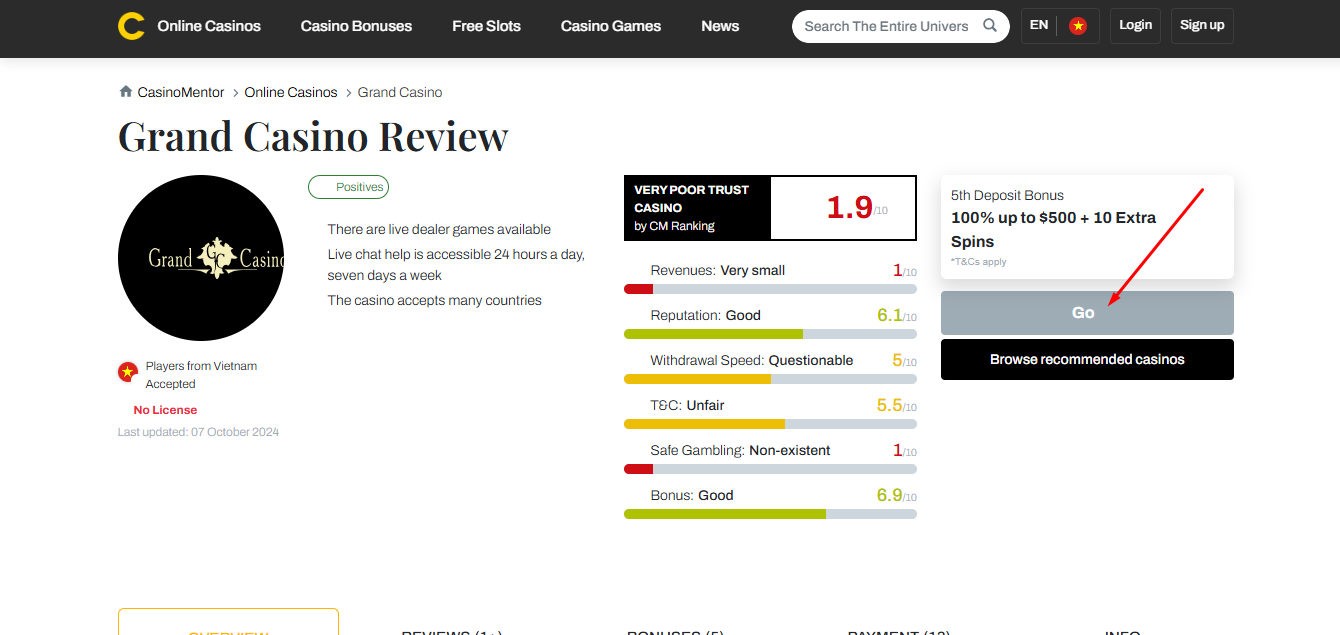
Grand Casino Login Guide & How to Claim Your Daily Login Bonus