






Why Live Roulette Has a Video Feed and a Betting Grid


A live roulette screen brings together a filmed table and a digital betting layout. The wheel and ball appear in the video, while numbered spaces and labelled groups form the surface for selections. These elements show different parts of the same game: the physical action at the table and the choices made through the screen.
A pocket is a physical space in the wheel where the ball can settle. A numbered box on the betting grid is a position for selecting that number. The labels connect the two: the number identifying a pocket also appears on the selection surface. Group labels extend that surface beyond individual numbers, allowing a selection to cover the numbers defined by a particular category.
That combination carries the table game into a browser. On live roulette online Canada tables, streamed croupiers accompany a digital betting layout, so the physical wheel and the controls remain part of one roulette experience. The player makes a selection through the layout rather than placing physical chips in front of the dealer. The camera supplies the view of the table; the interface supplies the means of participating in its round.
What the wheel video shows
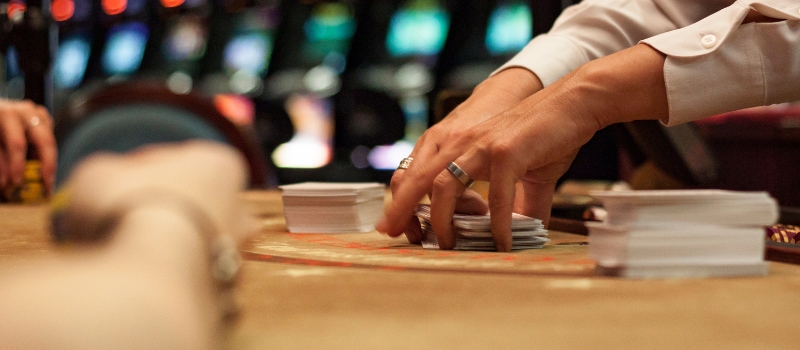
The croupier, also called the dealer, handles the physical presentation of the game. The ball moves around the wheel before settling into a numbered pocket. That pocket supplies the outcome against which the table's selections are resolved. The moving ball belongs to the filmed scene, as do the wheel's numbered pockets and the dealer's actions around them.
Getting that scene onto a device involves a video path. Haivision describes camera-to-display video delivery as a process involving capture, processing, and transmission. The footage reaching the screen has a different function from the buttons and numbered positions used to make selections. One carries images of events at the table; the other accepts the player's input.
The wheel's circular arrangement accommodates the moving ball and numbered pockets. The betting grid arranges selectable positions on a flat surface, with room for boundaries and group labels. The two arrangements need not match visually. Their connection depends on the numbers they represent, allowing a pocket visible in the footage to be read against the selections defined on the layout.
What the betting grid does
The grid turns roulette's selection rules into positions on a flat surface. A single numbered box represents a selection of that number. The numbered area accommodates grouped selections: a split covers two adjoining boxes, a street covers a row of three, and a corner covers four numbers meeting at a junction. The position on the numbered layout determines which numbers the selection covers. The term inside refers to this numbered area and its shared boundaries. Outside selections occupy the larger labelled group areas, giving the layout a distinction between individual positions and broader categories.
Larger labelled areas cover broader groups. Red and black refer to numbers carrying those colours; odd and even refer to the corresponding numbers from 1 to 36. Dozens and columns each cover twelve numbers, arranged according to their respective labels and positions. The three dozens divide the numbered range into 1–12, 13–24, and 25–36. Columns follow the three columns of the numbered layout. Equal group sizes therefore do not make these selections interchangeable: a dozen and a column contain different collections of numbers. The layout brings these options together so that a player can distinguish an individual number from a group without following the circular arrangement of pockets on the wheel.
This is also a practical use of visual organization. Nielsen Norman Group explains how grids and alignment help people scan interfaces. In roulette, the distinction between numbered boxes, shared boundaries, and broader labels gives the layout its meaning. A chip's position communicates the selection, making placement part of the game's notation rather than decoration.
Position remains meaningful even where neighbouring areas are close together. The centre of a numbered box identifies a different selection from a shared edge or junction. Reading the labels and boundaries together establishes which numbers a chip position covers. The shape of the layout therefore carries rules as well as displaying numbers.
How the two parts describe one game

Once the ball settles, its pocket number is compared with the numbers covered by a selection. A straight-up selection identifies one number. A grouped selection covers the numbers defined by its label or placement. The result remains a single numbered pocket, even when several different group definitions include that number.
Dozens and columns show how those definitions cross. Each dozen spans all three columns of the numbered grid. Each column, in turn, includes numbers from all three dozens. A dozen contains four rows of three numbers, so four numbers from each column belong to it. The labels describe overlapping groups across the same numbered range, rather than separate areas of the physical wheel.
Colour and odd/even labels provide further ways of grouping numbers under the game's rules. Their positions on the layout bring those definitions together without requiring separate views of the wheel. The filmed action supplies the visible outcome; the labelled positions specify the coverage against which it is read.
The camera and grid consequently contribute different information to the same round. Clear footage shows where the ball finishes. The selection surface expresses the number or group chosen by the player. Together, they connect a physical roulette result with the selections made through the screen.
RELATED ARTICLES

Best online casinos in Finland: leaders of the new era
Best Online Casinos for Players in Quebec: Top Picks and Practical Bonuses

Casino Extreme Free Spin Codes 2026: Active No Deposit & Login Bonuses

PlayCasino.eu Joins Forces With a Leading Casino News Platform

A Player Is Ruled Out. The Price Moves. What Actually Changed?

From The Price Is Right to Crypto Casinos: How Plinko Became the Most Searched Casino Game in the Americas

Deposit $1 Get 100 Free Spins in the US: What to Know

Deposit 1 Dollar Get Free Spins: How the Offers Work
