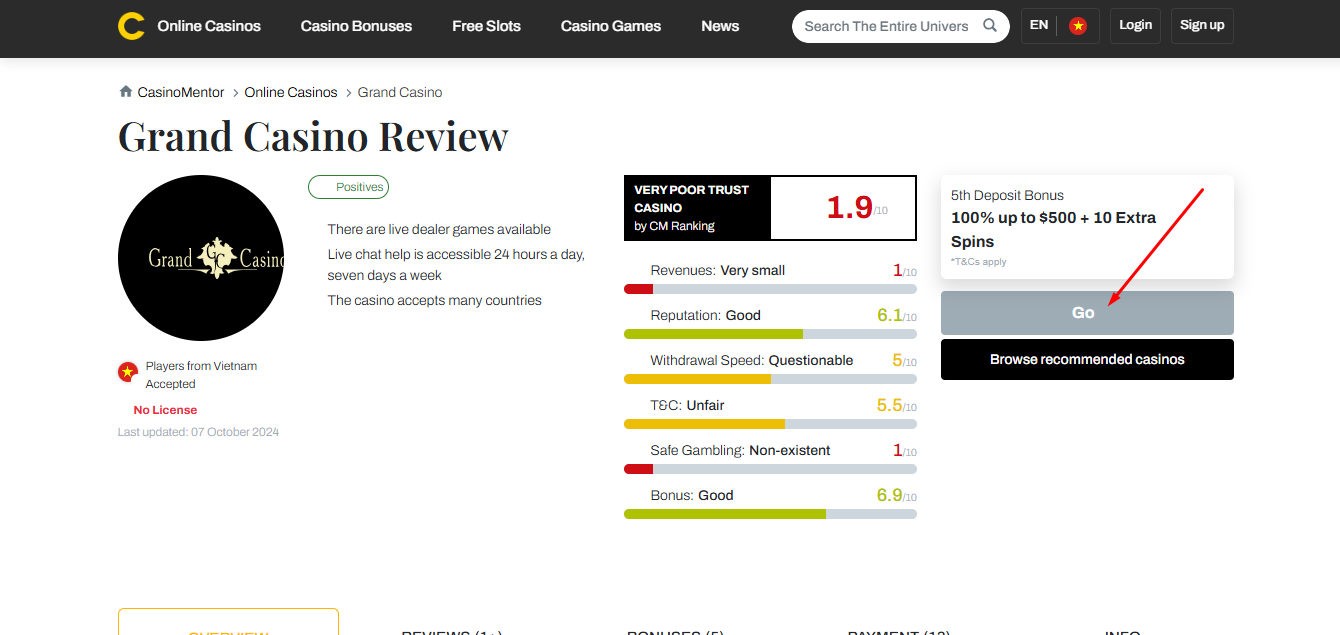






Competitor Analysis for SEO: How To Outrank Rivals

Competitor analysis turns search results into a simple plan for search engine performance. It shows what similar pages do well, where they are weak, and which opportunities are still open. The goal is not to copy rivals, but to learn what Google and readers prefer.
In Short: Start with real search competitors, then compare keywords, content, and trust signals. Small improvements, repeated often, can move a page past stronger domains.
Start With the Right Competitors
The strongest search competitors are the pages that show up for the same queries, even if they serve a different audience. For example, a sweepstakes casino platform may compare the games by providers on their site, like Hacksaw Gaming slots at Sportzino. This builds keyword clusters around game studios and titles. This SERP-first list keeps the analysis focused on what needs to be outranked, not what feels similar on paper.
Run a few priority searches and record the domains that appear again and again. Then separate direct rivals from reference sites, such as tool providers and industry news, that may require a different approach.
Map Keywords by Intent and Find Gaps
Next, build a map of keywords each competitor ranks for and the page type that answers that query. Group terms by intent such as learn, compare, or take action, so new pages match what searchers expect. Focus on clusters that align with business goals and can be supported with real expertise.
Missing topics: Add pages that answer questions competitors cover and the site does not.
Weak pages: Refresh pages that rank but stall outside the top results.
Format gaps: Add FAQs, checklists, or examples when rivals win with structure.
Long-tail variants: Target specific “how to” searches that signal clear intent.
SERP features: Optimize for snippets, image packs, or “People also ask” patterns.
Prioritize gaps where the current results are thin, outdated, or unclear. One great page that fully matches intent can beat several average pages. Track rankings and clicks to confirm each update is working over time.
Review Winning Content for Patterns
Study the top-ranking pages for each cluster and write down what they include and what they skip. Pay attention to how quickly they answer the core question and how they prove credibility.
Match the Primary Angle
Some queries reward a fast definition, while others need a full guide with examples and steps. If rivals win by solving a specific problem, match that angle first, then add a better explanation or fresher details.
Make Pages Easy To Scan
Use short paragraphs, clear headings, and helpful subheadings so key details are easy to find. Add a short summary or checklist when a query has many steps and readers need a quick path.
Benchmark Links, Authority, and Technical Basics
Content alone may not close a gap if competitors have stronger authority. Compare backlink sources to see which publishers, directories, or partners mention top pages in the niche. Also check technical basics like mobile speed, indexability, and clean metadata so nothing blocks good content from ranking.
In Short: Fix technical issues first, then improve internal linking to important pages. After that, earn mentions from relevant sites that already cite competitors.
Turn Findings Into a 30-Day SEO Action Plan
Create a short backlog that mixes quick wins with one larger project. Quick wins include updating titles, improving headers, and adding missing sections that competitors cover.
For the larger project, publish one “best page” that targets a gap with clear intent and strong structure. Recheck the SERPs each month, because competitors change and the best opportunities shift very quickly.
RELATED ARTICLES

Why Fortune Coins Scores High on Trustpilot: User Feedback Highlights

Difference Between Penny Slots, Nickel Slots, and Quarter Slots

High 5 Casino Login: Accessing the World's Leading Social Slots Platform
Royal Vegas Casino Login: Seamless Access & Troubleshooting

Ocean Casino Login Guide & How to Claim Your Daily Login Bonus

Sportsbook Software Providers and Platform Strategy in 2026
Ivy Casino Login Guide & How to Claim Your Daily Login Bonus

Vegastars Review: New Zealand Casino Brand Analysis