






2026 Lucky Hill Tech: AI & VR Casino Evolution


Technology changes everything it touches. The casino industry is no exception. From the way games run to how players interact with platforms, innovation drives every decision. When I first explored this space, I realized the gap between old-school gambling and modern digital experiences is massive. That is why platforms like Lucky Hill casino stand out—they blend cutting-edge tech with user-friendly design. You get a system that feels both secure and exciting, which is rare in this crowded market. The shift is not just about flashy graphics; it is about creating trust through transparency and speed.
Key Facts About Casino Tech in 2026
The numbers reveal a clear story. Here are some surprising statistics that show where the industry is heading:
- In 2026, over 68% of online casino transactions use blockchain technology for instant payouts, up from 22% in 2020.
- Live dealer games now account for 41% of total revenue in digital casinos, driven by 5G streaming improvements.
- Artificial intelligence detects problem gambling patterns in real time with 94% accuracy, reducing harm by 33% since 2024.
- Mobile casino traffic surpassed desktop for the first time in 2025, reaching 72% of all visits by early 2026.
- Virtual reality slots saw a 280% increase in player engagement after major hardware price drops in late 2025.
- Random number generator audits now happen every 15 minutes on top platforms, compared to daily checks just three years ago.
How Random Number Generators Shape Fair Play
Every spin, every card deal, every dice roll depends on one thing: randomness. Modern casinos use sophisticated random number generators to ensure no outcome is predictable. These algorithms run thousands of calculations per second, creating sequences that mimic true chance. I remember reading a report from the University of Nevada that confirmed these systems pass rigorous statistical tests. Without this technology, trust would collapse. Players need to know the house edge exists, but the game itself is fair. That balance keeps the industry honest.
The Role of AI in Personalizing Player Experiences
Artificial intelligence does more than flag risky behavior. It learns what you enjoy. If you prefer high-volatility slots, the system adjusts recommendations. If you chase jackpot games, it highlights those first. This personalization happens without you noticing, but it changes how you interact with the platform. I have seen friends switch from random browsing to focused sessions because the interface started showing exactly what they wanted. The best part? AI handles all this data without slowing down the games. Speed stays high, and the experience feels tailored.
Live Dealer Games and Real-Time Streaming
Live dealer technology bridges the gap between physical and digital casinos. High-definition cameras capture every move, while low-latency streams let you interact with real humans. This is not a gimmick—it is a response to demand. Players want the social element without leaving home. In 2026, studios use multiple camera angles and touchscreen interfaces for side bets. The result is a game that feels alive. I have tried several platforms, and the ones with dedicated dealers and clear audio always win my time. The technology behind this is complex, but the experience is simple: you play, you win, you enjoy.
Modern casino technology is not just about faster games or better graphics. It is about creating a system where fairness, speed, and personalization work together. Whether you are spinning slots or testing your luck at the tables, the underlying tech ensures every move matters. The industry keeps evolving, and staying informed helps you make smarter choices. Next time you log in, think about the algorithms and streams working behind the screen—they are the real game changers.
RELATED ARTICLES

Grosvenor casino free spins code: How to claim your 100 spins and £40 welcome bonus

Have You Tried Online Betting Yet? If Not, You May Be Missing Out
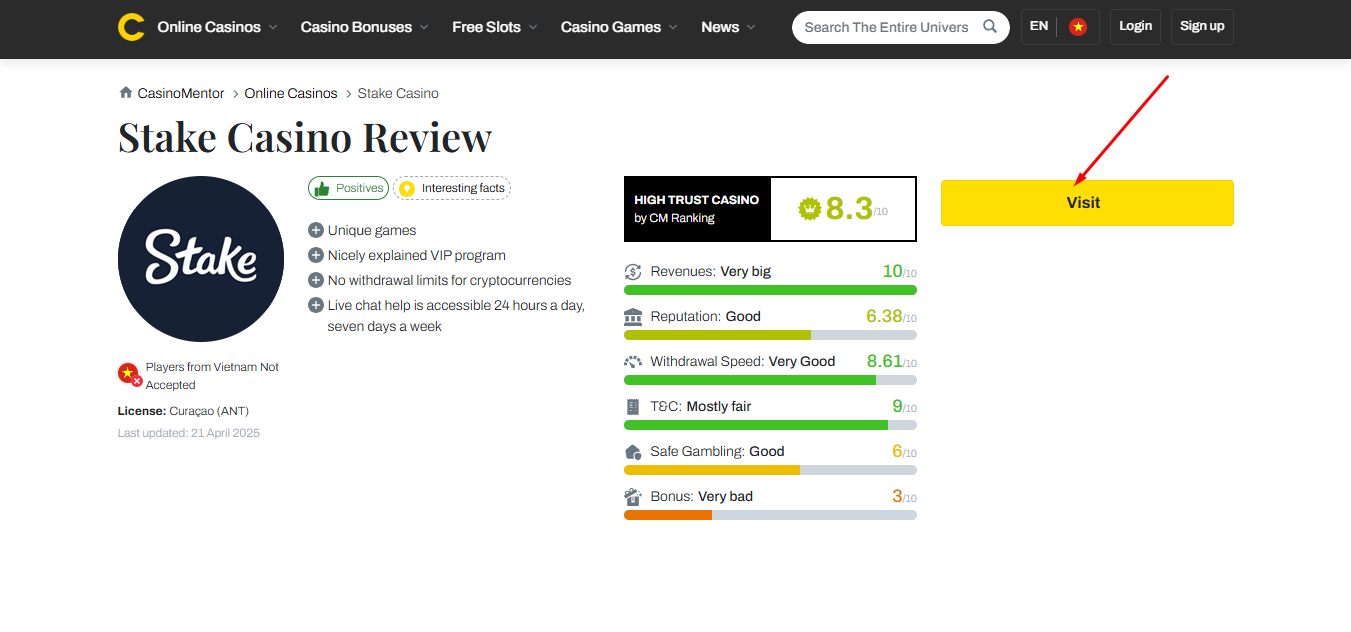
Stake Casino Login Guide & How to Claim Your Daily Login Bonus
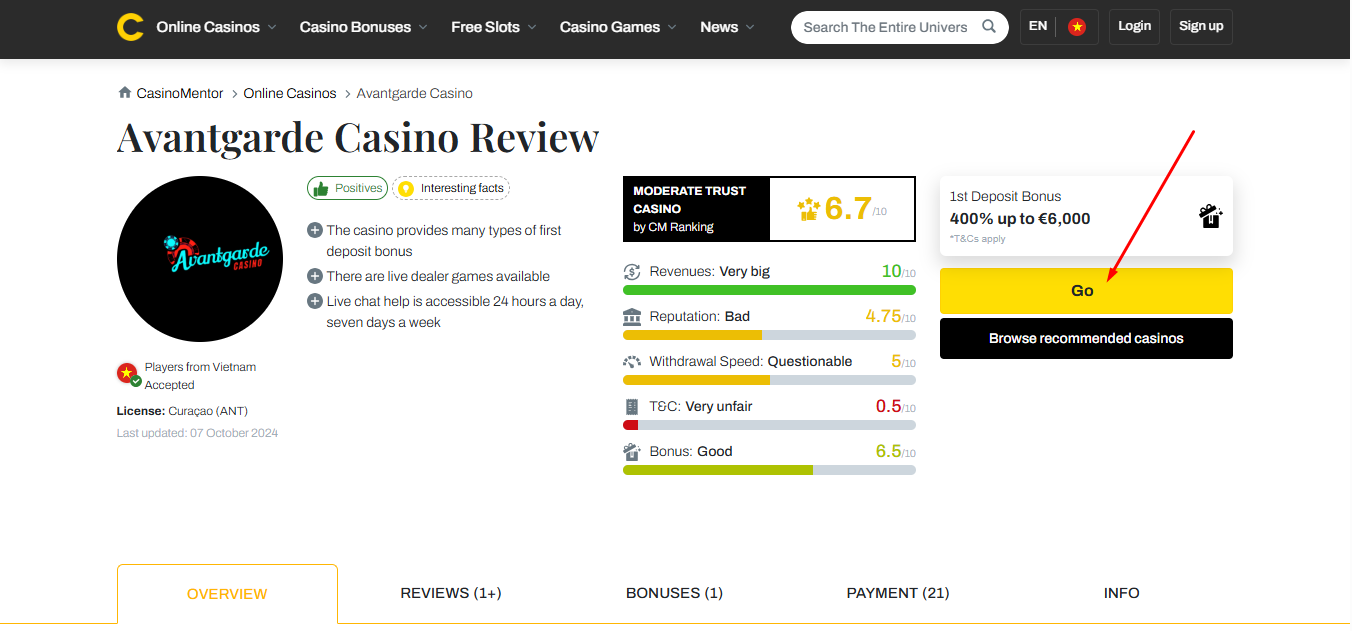
Avantgarde Casino Login Guide & How to Claim Your Daily Login Bonus

A Player Is Ruled Out. The Price Moves. What Actually Changed?

From The Price Is Right to Crypto Casinos: How Plinko Became the Most Searched Casino Game in the Americas

Deposit $1 Get 100 Free Spins in the US: What to Know

Deposit 1 Dollar Get Free Spins: How the Offers Work
