


A Practical Guide to Social Casino Rewards and Responsible Free-to-Play Entertainment

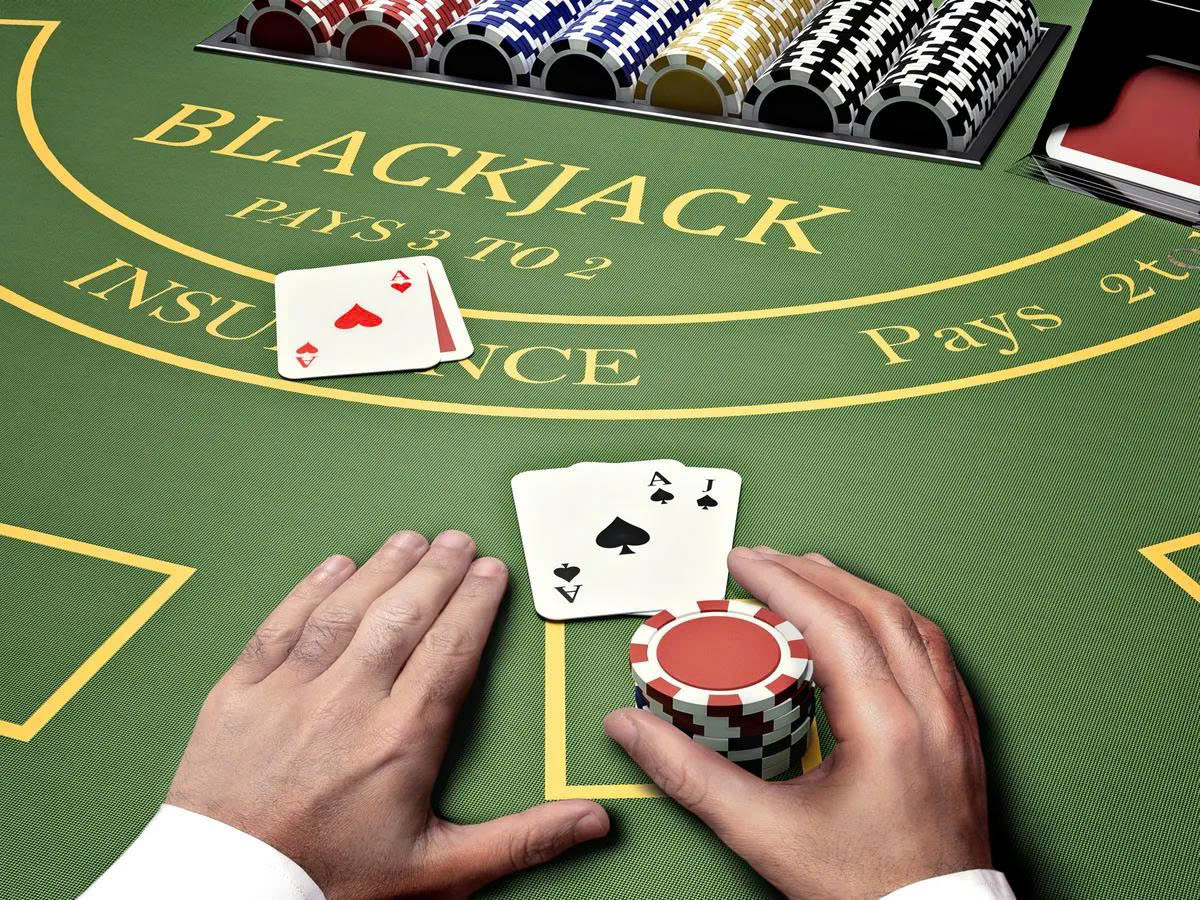
Reward systems are the main thing separating one social casino platform from another. The game libraries overlap heavily, because most platforms license from the same studios. What differs is how coins arrive, how often, and what strings come attached. If you are new to free-to-play casino-style games, the reward structure is the part worth reading closely before you create an account.
What a social casino reward actually is
On a social platform, rewards are virtual currency. Gold Coins, or whatever the site calls them, buy spins and nothing else. They carry no cash value and cannot be exchanged for money. That is the structural difference between this category and a real-money online casino, where a bonus is credit against real stakes and comes with wagering requirements attached.
The distinction matters for how you read an offer. A real-money welcome bonus is a conditional loan of playing credit, and the conditions are where the value hides. CasinoMentor's breakdown of free spins offers and their terms shows how much fine print sits behind a headline number. A social casino coin package has no wagering requirement because there is nothing to wager for. It buys playtime.
The reward types you will meet
- Welcome package. A one-off coin grant at signup, sometimes paired with boosted offers on your first few purchases.
- Daily login and wheel spins. A fixed drop every 24 hours, usually with a streak multiplier if you return on consecutive days.
- Referral rewards. Coins credited when someone you invited registers and plays.
- Jackpots and leaderboards. Site-wide prize pools that any spin can trigger, plus timed contests ranked on play volume.
Platforms in this space compete hardest on the daily layer, because that is what brings people back. ACE social casino runs a daily reward wheel and a login bonus alongside its welcome grant, which is a fairly typical shape for the category. What matters is not how large the welcome number looks, but how much the platform hands you on an ordinary Tuesday three weeks in.
Reading the terms before you commit anything
Two clauses deserve attention. The first is eligibility. Sweepstakes and social platforms operate under state promotional law rather than gambling licenses, and availability varies by state and by age threshold. Several states have moved against sweepstakes-style operators in the past two years, so a platform that works for a friend in one state may not accept you in another. Check the current list on the site itself rather than relying on a review.
The second is redemption. On social-only platforms there is nothing to redeem. On dual-currency platforms there is a second coin type with its own rules covering minimum balances, verification, and processing. Those rules are the whole substance of the offer. Anyone comparing platforms should read them the same way they would read the review criteria applied to licensed operators, where payout terms carry more weight than bonus size.
Where fairness testing comes in
Casino-style games resolve every round through a certified randomiser, and in regulated markets that certification has to happen before the game goes live. Gaming Laboratories International publishes the reference testing standards for this, with GLI-19 covering interactive gaming systems and GLI-11 covering physical gaming devices. Each sets out the statistical tests a laboratory applies and the confidence level the output has to reach. Social platforms sit outside that licensing framework, so certification becomes a voluntary trust signal rather than a legal requirement. Some publish their testing arrangements and their game providers. Some do not, and that silence is information.
Playing a title in demo mode first is a cheap way to see how a game behaves before spending anything on coins. CasinoMentor's library of free casino games draws on the same providers you will meet on a social platform, so the mechanics will be familiar.
Keeping free-to-play actually free
The category is genuinely playable at zero cost, and most people who use it never buy a coin package. Staying in that group takes a small amount of structure.
- Decide before you start whether coin purchases are part of your entertainment budget at all. If they are, give the month a fixed number and treat it as spent.
- Set a session length. Daily rewards take under a minute to collect, and nothing about the format requires a long sitting.
- Turn off purchase prompts and promotional email if the nudges are working on you.
- Treat a streak you do not want to maintain as a streak worth breaking.
The wider US gaming industry has been arguing about where this category belongs for a while. The licensed sector's annual review of state gaming markets sets out its position, which is that platforms operating outside state licensing lack the consumer-protection tools licensed operators are required to provide. Whatever you make of the argument, the practical takeaway for a player is to bring your own limits rather than expecting the platform to supply them.
A sensible starting routine
Register, claim the welcome grant, and spend a week playing only what the daily rewards give you. That is long enough to learn whether the game selection holds your interest and whether the daily drop is generous enough to sustain play without purchases. If it is, you have a free hobby. If it is not, you have learned that for the price of a week's attention, which is the cheapest research available.





A Player Is Ruled Out. The Price Moves. What Actually Changed?

From The Price Is Right to Crypto Casinos: How Plinko Became the Most Searched Casino Game in the Americas

Deposit $1 Get 100 Free Spins in the US: What to Know

Deposit 1 Dollar Get Free Spins: How the Offers Work
